Chris Woods, NP · $59 text visit
Allergies or a Sinus Infection? How to Tell When It Is Time to Get Treated
If your head feels packed with concrete, you are not imagining it.
Allergy season can hit hard, and depending on where you live it can be almost any time of year: tree pollen early in the year, grass in summer, ragweed in fall, dust and pet dander all winter. Your nose starts running, your eyes get itchy, and suddenly you are wondering whether you just need allergy meds or whether you have drifted into sinus infection territory.
That overlap is exactly what makes this confusing. Seasonal allergies and sinus infections can both make you congested, foggy, tired, and miserable. But they are not the same thing, and the treatment plan is not always the same either.
Here is the quick version.
Allergies are your immune system reacting to triggers like pollen. A sinus infection happens when the lining of the sinuses gets inflamed and fluid builds up. According to the CDC, sinus infections can cause stuffy nose, runny nose, facial pressure, headache, post-nasal drip, cough, and sore throat. Seasonal allergies can increase your risk of developing sinus problems in the first place.
So how do you tell the difference?
The Symptoms That Lean More Toward Allergies
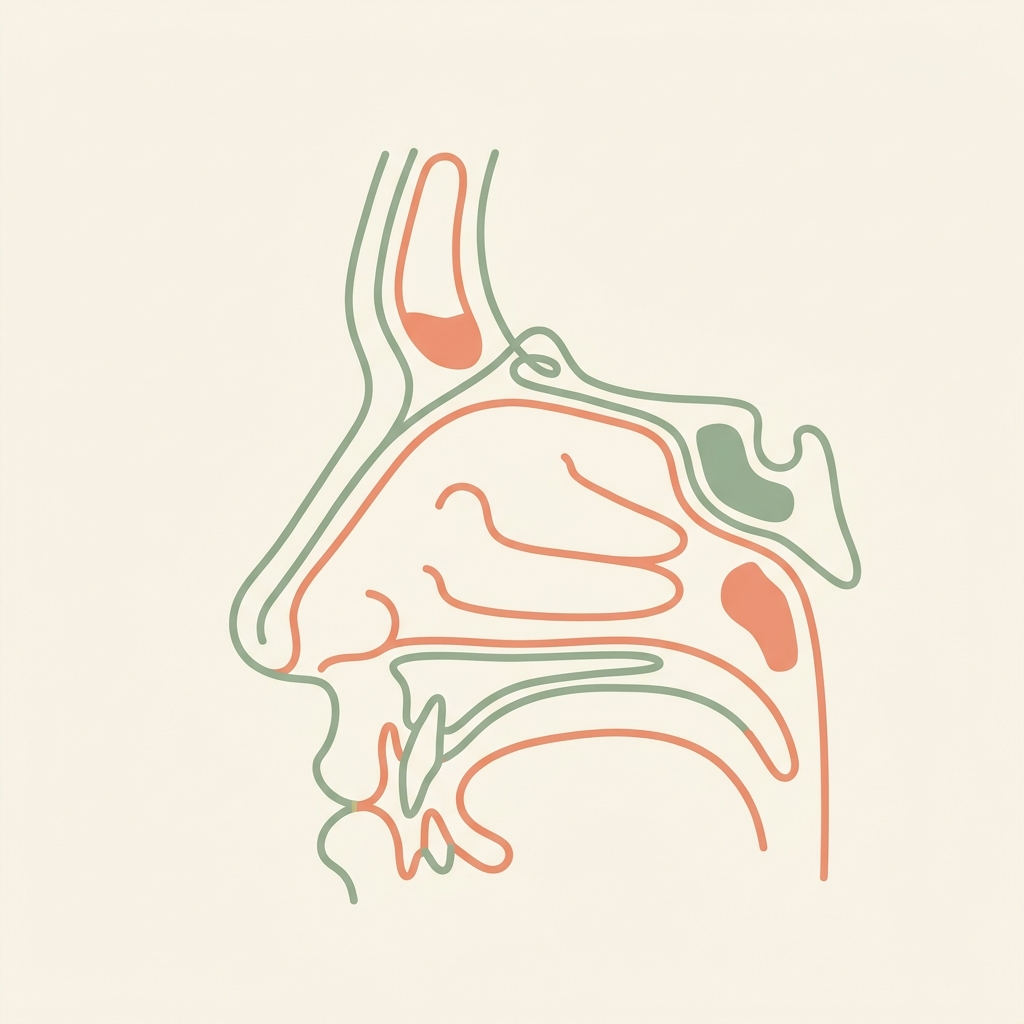
If this sounds like you, allergies are more likely:
- sneezing fits
- itchy eyes, nose, mouth, or throat
- watery eyes
- clear runny nose
- symptoms that flare when pollen is bad or when you spend more time outside
MedlinePlus and the American College of Allergy, Asthma & Immunology both list sneezing, itchy eyes, watery eyes, runny nose, and congestion as classic pollen allergy symptoms.
One of the biggest clues is itching. People with seasonal allergies often say their eyes, nose, or throat feel itchy or irritated. That is much less typical with a straight sinus infection.
The Symptoms That Lean More Toward a Sinus Infection
A sinus infection becomes more likely when the pattern shifts away from itchy allergy symptoms and toward pressure, pain, and persistence.
Watch for:
- facial pressure or pain
- headache centered around the forehead, cheeks, or behind the eyes
- thicker drainage
- post-nasal drip with sore throat or cough
- symptoms that last more than 10 days without improving
- symptoms that started to improve, then got worse again
That last part matters. The CDC specifically flags symptoms lasting more than 10 days without improvement, or symptoms that worsen after improving, as reasons to get medical care.
Two Clues People Miss
Upper tooth pain or one-sided face pain. The roots of your upper back teeth sit right under your cheek sinuses, so sinus pressure can feel like a toothache. Pain that sits mostly on one side of the face, especially with thick drainage and building pressure, leans toward a sinus infection more than allergies.
Better, then worse again. You start to improve for a few days, then suddenly crash: more pressure, thicker drainage, maybe a fever. That pattern is one of the biggest clues that allergies or a cold have turned into a sinus infection. That is a good time to get your sinus symptoms looked at.
A Side-by-Side Shortcut
| Pattern | Leans Allergies | Leans Sinus Infection |
|---|---|---|
| Eye symptoms | Itchy, watery eyes are common | Less typical |
| Nose symptoms | Clear runny nose, sneezing | Stuffy nose, heavier drainage, post-nasal drip |
| Head and face | Mild pressure possible | More facial pressure or pain |
| Timing | Flares with pollen exposure | Lasts beyond 10 days or worsens after improving |
The hard part is that these can overlap. Allergies can inflame your nasal passages and sinuses enough that everything starts backing up. Sometimes what begins as allergies turns into a sinus problem that feels very different a week later.
“The most common mistake I see: 14 days into a sinus infection, still treating it like allergies.”
Chris Woods, FNP-C, AGACNP-BC

What You Can Try at Home First
Not every bad allergy-season symptom needs a prescription.
For allergy-heavy symptoms, common first-line options include:
- a daily antihistamine
- a nasal corticosteroid spray used consistently
- saline rinses or saline spray
- reducing pollen exposure when possible
ACAAI notes that antihistamines can help with sneezing and itchy, runny nose symptoms. MedlinePlus notes that nasal corticosteroid sprays can help reduce swelling and mucus and tend to work best when used daily as directed.
If things feel more sinus-driven, the CDC lists a few supportive measures that may help you feel better:
- warm compresses over the nose and forehead
- saline nasal spray
- steam from a shower or bowl of hot water
- OTC symptom relief when appropriate
One note on the old-school, drowsy antihistamines: an occasional dose is one thing, but taking one every day to get through allergy season (or to fall asleep) is not ideal. They can leave you foggy the next day. Newer non-drowsy options usually work better for daily allergy control with fewer side effects, and if you are leaning on a sleepy one every night, that is worth a conversation.
When It May Be Time to Text a Provider
This is usually the point where people are tired of guessing.
It may be worth getting evaluated if:
- you have been stuck in the same symptoms for more than 10 days
- you felt better, then got worse again
- your facial pressure is getting stronger, not weaker
- you are missing work, losing sleep, or just feel wiped out
- you are not sure whether you are dealing with allergies, a sinus infection, or both
Telehealth can be a really practical option here because the next step is often not a dramatic ER-level problem. It is usually a symptom pattern that needs a clinician to sort out, especially if OTC allergy treatment is not cutting it.
At NPCWoods, patients can text their symptoms, answer a few follow-up questions, and get a treatment plan from a board-certified nurse practitioner. If medication is appropriate, prescriptions can be sent to the pharmacy. If antibiotics are not the right move, you can still get a real plan instead of guessing your way through the drugstore aisle.
When You Should Not Just Wait It Out
There are also times when you should stop self-treating and get medical help.
The CDC recommends seeking care for:
- severe symptoms such as severe headache or facial pain
- symptoms that worsen after improving
- symptoms lasting more than 10 days without getting better
- fever lasting more than 3 to 4 days
And if you have trouble breathing, chest pain, confusion, or anything that feels clearly more serious than a routine seasonal illness, do not treat that like a normal allergy day.
FAQ
Can allergies cause congestion and headaches?
Yes. Allergies can absolutely cause congestion, sinus pressure, brain fog, and headaches. That is one reason people confuse them with sinus infections.
Does green or yellow mucus automatically mean I need antibiotics?
No. Mucus color by itself does not settle the question. The full pattern matters more, especially how long you have been sick, whether symptoms are improving, and whether pressure and pain are building.
Can telehealth help with sinus symptoms?
Yes, often. A clinician can review the symptom pattern, talk through what you have already tried, and help decide whether home care, allergy treatment, or prescription treatment makes sense.
The Bottom Line
If your main symptoms are sneezing, itching, watery eyes, and a clear runny nose, allergies are more likely.
If you have pressure, pain, drainage that is not easing up, and symptoms that are dragging past 10 days or getting worse after improving, it may be time to get evaluated.
You do not have to guess your way through allergy season feeling awful.
Text NPCWoods at (480) 639-4722 to start a $59 flat-fee visit
Need help right now?
Text Chris · $59 · same day
Real NP. Real prescription. No app, no waiting room, no copay drama. Most people are picking up medicine within an hour.
If we can’t safely treat you with a text visit, you won’t be charged.
Three quick next steps
- Text (480) 639-4722 if your symptoms match what we treat
- See all conditions we treat if you’re not sure we’re the right call
- How it works if you’ve never done a text visit before
Chris Woods, NP · MSN, APRN, FNP-C, AGACNP-BC · You only pay if he can treat you. This is not emergency care. Call 911 for emergencies.