Chris Woods, NP · $59 text visit
Can a Nurse Practitioner Prescribe Antibiotics? Yes, Here’s How

Can a Nurse Practitioner Prescribe Antibiotics? A State-by-State Guide
Yes — nurse practitioners can prescribe antibiotics in all 50 states, though the level of independence varies by state.
If you’ve ever searched “can an NP prescribe antibiotics” and hit a wall of confusing legal jargon, you’re in the right place. I’m going to break this down plainly, state by state, so you know exactly what your NP can and can’t do — and why it matters for getting the care you need fast.
What Is a Nurse Practitioner, and What’s Their Training?
A nurse practitioner (NP) is an advanced practice registered nurse with graduate-level training — either a Master of Science in Nursing (MSN) or a DNP (the terminal nursing practice degree). NPs complete thousands of clinical hours, pass rigorous national board certification exams, and hold a DEA registration number that authorizes them to prescribe controlled and non-controlled medications.
NPs diagnose conditions, order and interpret labs and imaging, manage chronic illness, and yes — prescribe antibiotics. The scope of that prescribing authority depends on your state’s practice laws, which is exactly what this guide covers.
I’m Chris Woods — a double board-certified Nurse Practitioner serving 13 states (NP licenses in twelve, plus Florida by telehealth registration). I run NPCWoods, an async telehealth practice where you can get evaluated and prescribed the same day for $59, no scheduling required.
The 3 Types of NP Practice Authority — What They Mean for Prescribing
Every state falls into one of three categories when it comes to how much independence an NP has:
| Practice Authority Type | What It Means | Can NP Prescribe Independently? |
|---|---|---|
| Full Practice Authority (FPA) | NP can evaluate, diagnose, and prescribe entirely on their own — no outside oversight required by law. | Yes |
| Reduced Practice | NP must have a collaborative practice agreement, but may still prescribe within that agreement. | Yes, with agreement |
| Restricted Practice | NP requires active supervision, sometimes including chart review or co-signing prescriptions. | Yes, with supervision |
Regardless of category, NPs in all 50 states can prescribe antibiotics — the difference is whether another clinician must be involved. In Full Practice Authority states, an NP can prescribe independently without any co-signature or agreement on file.
NP Prescribing Authority by State — NPCWoods’ 13 States
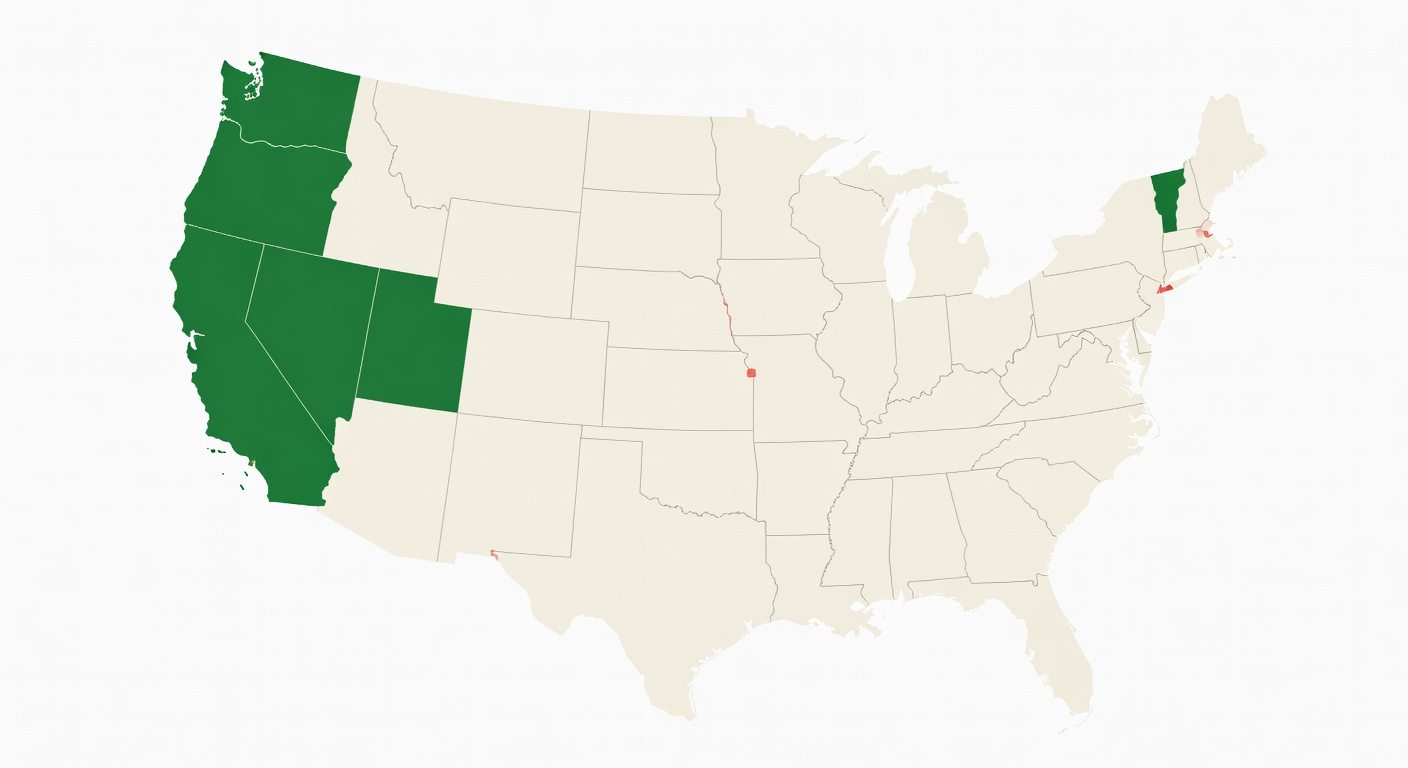
Here’s the straightforward breakdown for every state NPCWoods currently serves. These are the facts — no fluff:
| State | Practice Authority Type | Can NP Prescribe Independently? |
|---|---|---|
| Arizona | Full Practice Authority | Yes |
| Colorado | Full Practice Authority | Yes |
| Georgia | Reduced Practice | Yes — requires collaborative agreement |
| Idaho | Full Practice Authority | Yes |
| Iowa | Full Practice Authority | Yes |
| Montana | Full Practice Authority | Yes |
| Nevada | Full Practice Authority | Yes |
| New Mexico | Full Practice Authority | Yes |
| North Carolina | Reduced Practice | Yes — requires collaborative agreement |
| Oregon | Full Practice Authority | Yes |
| Utah | Full Practice Authority | Yes |
| Washington | Full Practice Authority | Yes |
| Florida | Out-of-state telehealth registration (TPAN3355) | Yes, by telehealth |
“Most everyday primary-care prescriptions are well within an NP’s scope. The exceptions are narrow.”
Chris Woods, FNP-C, AGACNP-BC

What Antibiotics Can a Nurse Practitioner Prescribe?
Two of the most common reasons people ask: a UTI and a sinus infection. Both are handled by text here when the symptoms fit, $59 flat.
NPs can prescribe the full range of commonly used antibiotics — the same medications you’d receive from any other licensed clinician. At NPCWoods, here’s what I commonly prescribe based on the condition being treated:
- Amoxicillin — strep throat, ear infections, sinus infections, dental infections
- Azithromycin (Z-Pack) — community-acquired pneumonia, skin infections, atypical infections
- Nitrofurantoin (Macrobid) — uncomplicated UTIs in women
- Doxycycline — acne, Lyme disease, STIs, respiratory infections
- Trimethoprim-sulfamethoxazole (Bactrim) — UTIs, skin/soft tissue infections
- Cephalexin (Keflex) — skin infections, strep throat (penicillin alternative)
- Amoxicillin-clavulanate (Augmentin) — resistant sinus infections, bite wounds, ear infections
- Ciprofloxacin — complicated UTIs, certain GI infections (used selectively)
The right antibiotic depends on the infection type, your allergy history, and local resistance patterns. That’s why proper clinical evaluation — even asynchronously — matters before prescribing. I’m not in the business of just handing out antibiotics; I’m in the business of getting you the right treatment fast.
What NPCWoods Does NOT Prescribe
To be completely upfront with y’all: NPCWoods is an antibiotic and acute care practice. There are certain medication classes I don’t prescribe here, by design:
- Opioid pain medications (hydrocodone, oxycodone, etc.)
- Benzodiazepines (Xanax, Valium, Klonopin)
- Stimulants (Adderall, Ritalin)
- Other Schedule II–IV controlled substances
This isn’t a limitation — it’s intentional. Controlled substance prescribing through async telehealth carries real risks without appropriate in-person evaluation and monitoring. I want to be the provider you trust for exactly what I do well: fast, accurate, affordable acute care with proper antibiotic stewardship.
How NPCWoods Works — Antibiotic Prescriptions Without the Wait
I’m Chris Woods, a double board-certified NP with active NP licenses and prescriptive authority across the 13 states I serve (Florida by telehealth registration, TPAN3355). That means I hold individual state NP licenses, state-specific DEA registration where required, and maintain collaborative agreements in reduced-practice states like Georgia and North Carolina.
Here’s how it works: You fill out a quick intake about your symptoms. I review it clinically — the same evaluation process that happens in an urgent care, just asynchronously. If an antibiotic is appropriate, I send the prescription directly to your pharmacy, typically within a few hours. Flat $59 per visit. No membership. No waiting room.
Check out the FAQ page if you’ve got more questions about how the process works, what we treat, and what to expect.

Ready to Get Seen Today?
If you’re in one of the 13 states NPCWoods serves and you’re dealing with something that might need an antibiotic — strep, UTI, sinus infection, ear infection, skin infection — don’t sit around in an urgent care waiting room. Send your intake, get evaluated, get treated.
Questions? Text or call NPCWoods directly.
Flat $59 per visit — no membership, no waiting room
Sources & Clinical References
This article is for educational purposes only and does not replace professional medical advice. NP scope of practice varies by state — this article covers the 13 states NPCWoods serves. For symptoms, text (480) 639-4722 to speak with a licensed nurse practitioner.
- American Association of Nurse Practitioners (AANP) — “State Practice Environment” map and regulatory data. aanp.org
- National Council of State Boards of Nursing (NCSBN) — “APRN Consensus Model for Regulation: Licensure, Accreditation, Certification & Education.” ncsbn.org
- Centers for Disease Control and Prevention (CDC) — “Antibiotic Prescribing and Use” guidance and stewardship resources. cdc.gov
Need help right now?
Text Chris · $59 · same day
Real NP. Real prescription. No app, no waiting room, no copay drama. Most people are picking up medicine within an hour.
If we can’t safely treat you with a text visit, you won’t be charged.
Three quick next steps
- Text (480) 639-4722 if your symptoms match what we treat
- See all conditions we treat if you’re not sure we’re the right call
- How it works if you’ve never done a text visit before
Chris Woods, NP · MSN, APRN, FNP-C, AGACNP-BC · You only pay if he can treat you. This is not emergency care. Call 911 for emergencies.